 Skip to content

What Is Vegan Leather? Durability vs Full-Grain Leather

"Vegan leather" gets marketed as the cruelty-free, eco-friendly choice — but the term covers everything from cheap PVC to genuinely clever plant-based materials, and "sustainable" doesn't always mean what the label implies. Buy the wrong one, and it could crack and peel within a couple of years.
At Vintage Leather Sydney, we work with full-grain leather daily, and customers ask us this often. Here's what vegan leather is, how long it lasts, and what "sustainable" really means.
What Is Vegan Leather, Really?
The Two Families of Vegan Leather
Despite the name, "vegan leather" isn't one material — it's a category that splits into two very different families.
The first is synthetic: PU and PVC faux leather, both plastics designed to look and feel like leather. This is still the most common type, and PVC has been used this way since the 1920s.
The second is plant-based: materials made from cactus, pineapple leaves, mushroom mycelium, apple waste, cork and a handful of others. These get most of the attention in sustainability marketing — but as we'll get to, most of them still rely on a plastic coating to hold together.
Is "Vegan Leather" Even Leather?
Here's something most guides skip: in several jurisdictions, the word "leather" is legally reserved for materials made from animal hide. Italy has had rules along these lines since 2020, and in 2025 a German court ruled that marketing a plastic-and-fabric product as "Apfelleder" (apple leather) was misleading to consumers.
Australia doesn't have equivalent labelling laws, so "vegan leather" and "leather alternative" get used loosely here. Worth keeping in mind whenever you see the word "leather" attached to something that contains no hide at all.
Plant-Based Leather: What's Actually Out There
Cactus Leather
Cactus leather — most commonly sold under the brand name Desserto — is made from the pads of the nopal (prickly pear) cactus. It was developed in Mexico and first shown publicly in Milan in 2019, and has since been picked up by fashion and automotive brands worldwide. It's not an Australian innovation, though it's increasingly available to Australian brands and consumers.
The appeal is real: the cactus needs very little irrigation, the plant isn't killed when its pads are harvested, and the finished material has been independently tested at around ten years of durability. It's also one of the more biodegradable plant-based options, with a high organic content.
Pineapple Leather (Piñatex)
Piñatex is made from the leaf fibres left over after a pineapple harvest — agricultural waste that would otherwise be burned or discarded. The fibres are felted into a non-woven mat, then coated for durability.
That coating is the catch. While the base fibre mat is 100% plant material, the finished Piñatex is bonded with polyurethane, so the end product doesn't fully biodegrade. It's still a genuine improvement on virgin plastic in terms of production emissions — just not the "fully natural, fully biodegradable" material it's sometimes sold as.
Mushroom Leather
Mushroom leather is grown from mycelium — the root-like network of fungi — and has a soft, suede-like texture. The process itself is genuinely clever: mycelium is grown on agricultural waste for a couple of weeks, then compressed and finished.

Here's the update most articles skip: this material has had a rough few years commercially. Bolt Threads paused investment in its Mylo mushroom leather in 2023, and MycoWorks had production halts at its US factory in 2024 due to contamination issues. The technology works — scaling it up reliably hasn't, at least not yet.
Apple and Cork Leather
Apple leather (sometimes called AppleSkin) is made from waste apple peel and core left over from juice and food production, mostly from the Bolzano region in Italy. Like Piñatex, it's combined with polyurethane for durability, so the finished material ends up roughly half plant-based rather than fully natural.
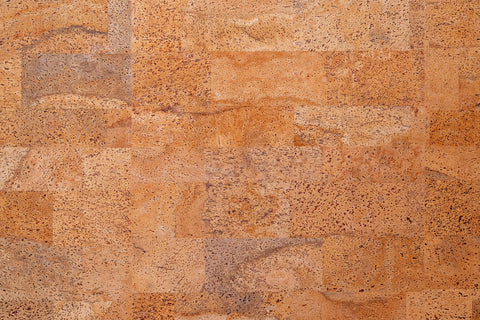
Cork leather is the most straightforward of the group: bark is stripped from cork oak trees — which aren't harmed and keep producing usable bark for 200+ years — then boiled, pressed into sheets and bonded to a fabric backing. It's naturally water-resistant and one of the lower-impact materials here, though its texture means it's used less often in mainstream fashion.
How Durable Is Vegan Leather vs Full-Grain Leather?
Vegan leather generally feels great on day one. Day one isn't where the comparison matters.
| Factor | Vegan Leather | Full-Grain Leather |
|---|---|---|
| Typical Lifespan | Around 2-5 years before cracking, peeling or visible wear | Decades, with proper care |
| Ageing | Surface coating degrades; doesn't improve with use | Develops a patina — looks better over time |
| Repairable? | Limited — once the coating cracks, it can't be restored | Yes — can be conditioned, recoloured and repaired |
| Water Resistance | High — plastic surface resists water and stains | Moderate — improves with conditioning |
| Best Suited To | Lower-cost, shorter-use items; vegan-specific requirements | Bags, wallets and accessories meant to last for years |
Across both synthetic and plant-based types, vegan leather's surface is a coating rather than a material that goes all the way through — which is why, once it cracks or peels, it generally can't be restored. Full-grain leather is the same material from surface to core, which is why it can be reconditioned and repaired rather than replaced, and why it tends to look better after years of use rather than worse.
Is Vegan Leather Actually Sustainable? The Truth
This is the question the marketing rarely answers honestly — and it's also where regulators have started getting involved.
In 2025, a German court ruled that a plastic-and-fabric product marketed as "Apfelleder" (apple leather) was misleadingly labelled — a sign that "eco" branding on these materials is starting to face real scrutiny. The EU's Empowering Consumers Directive, in force from 2024, similarly restricts vague claims like "biodegradable" or "environmentally friendly" unless a brand can actually substantiate them.
The practical issue is the plastic coating. Most plant-based leathers — Piñatex, apple leather and others — are roughly half plant fibre and half polyurethane, and it's the polyurethane half that prevents them from biodegrading. As these materials wear down, they can also shed microplastics — the same issue affecting plain PU and PVC leather.
None of this makes vegan leather "bad." Cactus leather in particular has a genuinely strong sustainability case, and reducing reliance on animal agriculture matters to a lot of people for good reason. But "vegan" and "fully biodegradable" aren't the same claim — and a durable full-grain leather item that lasts decades can have a lower lifetime footprint than several vegan leather replacements, even accounting for the impact of leather production itself.
How to Care for Vegan Leather
- Wipe with a soft, slightly damp cloth and a little mild soap for marks — most vegan leather is water-resistant, so this is usually enough.
- Dry with a microfibre cloth rather than letting it air-dry in direct sun or near heat, which can cause the coating to crack.
- Avoid harsh solvents or alcohol-based cleaners — these can strip or crack the surface finish.
- Standard leather conditioners aren't designed for synthetic materials and won't help — if anything feels dry or stiff, a vinyl/PU-specific protectant is the better option.
- Store away from prolonged direct sunlight, which accelerates fading and surface cracking on most synthetic and coated materials.
Is Vegan Leather Right for You?
If avoiding animal products is the priority, vegan leather does what it says — none of the materials above involve animal hide, and that's a genuine and valid reason to choose them.
If you're choosing based on the "eco-friendly" or "sustainable" framing alone, it's worth going in with realistic expectations. Cactus leather is the strongest case among plant-based options. Pineapple, apple and mushroom leathers are improvements on virgin plastic, but the polyurethane coating means most won't fully biodegrade, and a 2-5 year lifespan means more frequent replacement.

That trade-off is exactly why we build with full-grain leather. It costs more upfront and needs occasional conditioning, but it's designed to be repaired and reconditioned rather than replaced — for bags, wallets and everyday carry that need to handle years of use, that's the difference between buying once and buying repeatedly.
Frequently Asked Questions
Is vegan leather real leather?
No. "Vegan leather" is a marketing term for materials that look and feel like leather but contain no animal hide. In several jurisdictions, including parts of the EU, the word "leather" is legally reserved for animal-derived materials — so vegan leather is more accurately described as a leather alternative.
What is vegan leather made of?
It depends on the type. Most vegan leather is polyurethane (PU) or PVC — both plastics. A growing share is plant-based, made from materials like cactus, pineapple leaves, mushroom mycelium, apple waste or cork, though most of these are still combined with a plastic coating for durability.
Is vegan leather durable?
Generally not compared to full-grain leather. Most vegan leather, including plant-based versions, typically lasts around 2-5 years before cracking, peeling or discolouring, while full-grain leather can last for decades and develops a patina rather than showing wear.
Is vegan leather biodegradable?
Rarely, despite how it's often marketed. Plant-based leathers like Piñatex and apple leather are usually only around half plant material, with the rest being a polyurethane coating needed for durability — and that coating doesn't biodegrade. Pure PU and PVC leather can take hundreds of years to break down.
Is vegan leather actually more sustainable than real leather?
It depends what you're comparing. Plant-based vegan leathers can have a lower footprint than synthetic PU or PVC, but most still aren't fully biodegradable due to plastic coatings, and they shed microplastics as they wear. A full-grain leather item that lasts decades can have a lower lifetime impact than several vegan leather replacements.
Is PU leather vegan, and is it toxic?
Yes, PU leather is vegan, since it contains no animal-derived material. It's generally considered less toxic than PVC, but its production still involves chemicals that can be harmful, and it's a plastic that doesn't break down naturally.
What's the difference between cactus, pineapple and mushroom leather?
Cactus leather, often sold as Desserto, is made from nopal cactus pads and is one of the more durable plant-based options. Pineapple leather, Piñatex, is made from pineapple leaf fibres left over from harvesting. Mushroom leather is grown from mycelium and has a suede-like texture, but has proven the hardest of the three to manufacture at scale.
How do I clean and care for vegan leather?
Wipe with a soft, slightly damp cloth and mild soap, then dry with a microfibre cloth — most vegan leather is water-resistant, so this is usually enough. Avoid harsh solvents, which can crack the surface coating, and keep it away from direct heat and sunlight.
What's the difference between vegan leather and full-grain leather for bags and wallets?
Vegan leather is generally lighter and cheaper upfront and needs no conditioning, but typically shows cracking and peeling within a few years of regular use. Full-grain leather costs more initially but is built to handle daily use for decades, developing a patina rather than wearing out.
Can I waterproof or protect vegan leather?
Most vegan leather is already water-resistant due to its plastic coating, so extra waterproofing usually isn't necessary. If the surface starts to feel dry or stiff, a vinyl or PU-specific protectant can help — standard leather conditioners aren't designed for synthetic materials and won't do much.
Final Thoughts
Vegan leather is a real, valid choice if avoiding animal products is what matters most to you — and the plant-based side of the category, especially cactus leather, is a genuinely interesting area of material innovation. But "vegan" doesn't automatically mean "sustainable" or "long-lasting," and 2025's regulatory pushback on greenwashing claims is a sign that the gap between marketing and reality is starting to get scrutiny.
If what you need is something that can take years of daily use, get repaired rather than replaced, and improve with age, that's the case for full-grain leather — free shipping, with Afterpay, Zippay and Klarna available, and every full-price piece backed by a 365-day warranty.