 Skip to content

Nappa vs Full-Grain Leather: Worth the Price for Bags & Wallets?
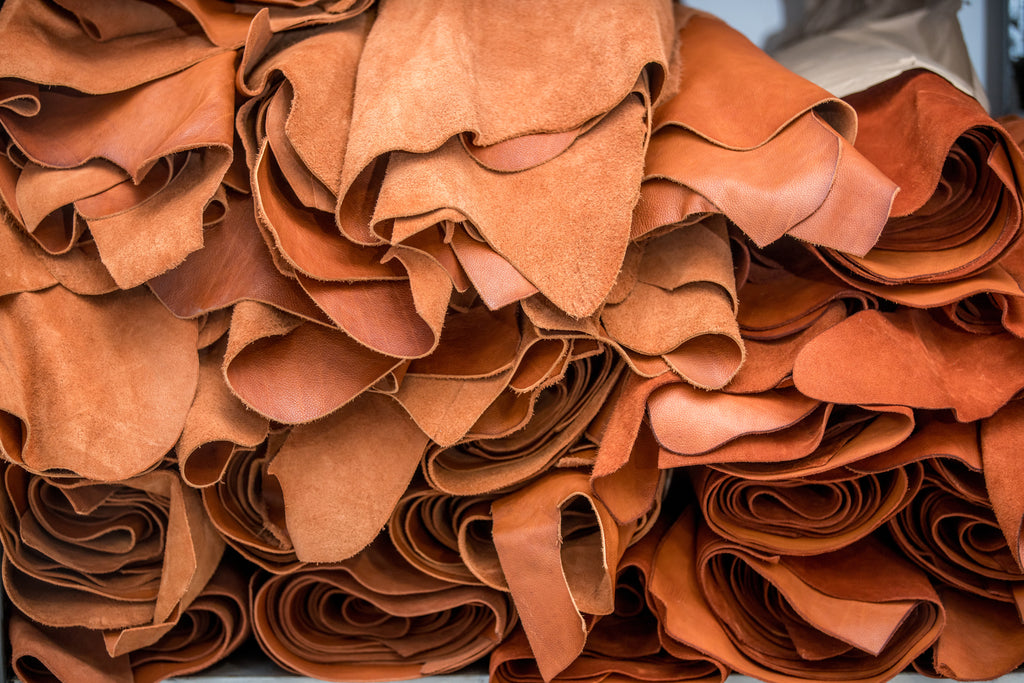
"Nappa leather" turns up on jackets, car seats and handbags — always with a price tag to match. But nappa describes a finish, not a quality guarantee, and that premium doesn't always pay off.
At Vintage Leather Sydney, we work with full-grain hides daily, and customers ask us this often. Here's what nappa actually is, how it's made, and whether it's worth it for bags and wallets versus full-grain leather.
What Is Nappa Leather, Really?
Is Nappa Leather Real Leather?
Yes. Nappa leather is genuine leather, almost always taken from a full-grain hide — meaning the surface hasn't been sanded or corrected to hide imperfections. What makes it "nappa" isn't the animal or the grade, but the way it's tanned and finished to produce that distinctive soft, smooth hand-feel.
How Is Nappa Leather Made?
Nappa leather is typically made from the hides of calves, lambs or kid goats, chosen because their fibres are naturally fine and soft. The defining step is the tanning process: nappa is chrome-tanned, using chromium or aluminium salts, which is exactly what gives it that buttery, supple texture. It's then dyed with water-soluble (aniline) colourants, which keep the natural grain visible while making the leather more resistant to fading and easier to clean.
This is worth flagging because it's a common point of confusion: nappa leather is not vegetable-tanned. Vegetable tanning produces a firmer, more structured leather — closer to what you'd find in a piece built to hold its shape and develop a patina over years. Chrome tanning is what makes nappa soft from the day you buy it.
Where Does the Name "Nappa" Come From?
The name has nothing to do with Italy or France, despite how luxurious it sounds. It comes from Napa, California — where, in 1875, a tanner named Emanuel Manasse developed the process while working for the Sawyer Tanning Company. He used it to make soft, durable gloves, and the leather took on the name of the place it was invented.
One more fact most guides skip: the "correct" spelling is technically Napa, with one P — matching the Californian town. "Nappa" with two Ps became the more common spelling in the leather trade over time, and today both are understood to mean the same thing.
Nappa Leather vs Other Leather Types
Nappa vs Full-Grain Leather: Which Is Better for Bags and Wallets?
| Factor | Nappa Leather | Full-Grain Leather (Everyday Carry) |
|---|---|---|
| Tanning and Finish | Chrome-tanned and aniline-dyed for immediate softness and even colour | Finished to hold its shape and develop character with use |
| Feel | Buttery soft from day one | Firmer at first, softens naturally with handling |
| Ageing | Colour stays consistent; doesn't develop much patina | Develops a rich patina — looks better the longer it's used |
| Scratch and Scuff Resistance | Soft, unsealed surface marks relatively easily | Tougher surface, better suited to daily knocks |
| Best Suited To | Jackets, gloves, car interiors, fashion accessories | Bags, wallets, briefcases, travel gear, everyday carry |
Nappa is usually a full-grain leather too, so the real difference is the finish, not the hide itself. Nappa's chrome tanning and aniline dye are built to deliver maximum softness and a consistent colour straight away — which is exactly why it feels so good in a jacket, a glove, or a car seat.
For a bag or wallet that gets packed, dropped and handled every day, that same soft, unsealed surface shows scuffs and marks faster. Full-grain leather finished for everyday carry takes a little longer to soften up, but it's built to take the daily grind and develop a patina rather than show wear.
Nappa vs Saffiano Leather
If nappa sits at the soft end of the spectrum, saffiano sits at the firm end. Saffiano is full-grain leather pressed with a distinctive cross-hatch texture and coated for extra scratch and water resistance — it's stiffer, more structured, and shows far fewer marks than nappa. Nappa wins on softness and feel; saffiano wins on resilience. For more detail, see our guide to saffiano leather.
The Pros, Cons and Common Uses of Nappa Leather
Advantages of Nappa Leather
- Softness: few leathers feel as immediately supple and smooth.
- Colour consistency: aniline dyeing gives nappa a vibrant, even tone that resists fading.
- Easy to clean lightly: the dyeing process means dust and light marks wipe away easily.
- Hypoallergenic: as a natural material with a sealed dye finish, it's generally well-tolerated by sensitive skin.
Disadvantages of Nappa Leather
- Scratches and marks easily: the soft, unsealed surface shows scuffs more readily than firmer leathers.
- Sensitive to heat and sun: like most leather, prolonged sun exposure can dry it out and cause fading over time.
- Costly to repair: because the surface is delicate, professional repair work tends to cost more.
- Price premium: nappa typically costs noticeably more than standard leather of comparable size, due to the hide selection and tanning process involved.
Where You'll Find Nappa Leather
Nappa shows up most often in premium car interiors, where its soft feel and consistent colour make for a luxurious cabin — though some manufacturers prefer synthetic alternatives like Alcantara for high-performance models. In fashion, it's a favourite for gloves, its original use, soft jackets, and the linings and exteriors of designer handbags and wallets, where that buttery first impression matters.
Is Nappa Leather Worth the Price?
Nappa leather generally carries a noticeable price premium over standard leather of similar size. Whether that's worth it really comes down to what the item needs to do.
For a jacket, a pair of gloves, or a car interior — things that are handled gently and where that immediate soft feel and rich colour are the whole point — nappa earns its premium. It looks and feels exactly as luxurious as the price suggests.
For a bag, wallet or anything else that's going into a backpack, getting rained on, or living in a pocket for years, the calculation changes. That same soft, unsealed surface that feels so good on day one is also what scuffs and marks fastest under daily use. Full-grain leather finished for everyday carry — like the bags, wallets and travel accessories we build here in Sydney — takes a little longer to break in, but it's built to handle that daily wear and develop character rather than show it.
How to Care for Nappa Leather
Nappa rewards gentle, regular care more than heavy intervention.
- Wipe away dust and light dirt with a dry, lint-free cloth.
- For marks, use a barely damp cloth with a small amount of mild soap — dab, don't rub, and never soak the leather.
- Let it air-dry away from direct heat and sunlight.
- Condition every few months with a product designed for soft, aniline-dyed leather, to stop the surface drying out.
- Avoid wax-based polishes, which can dull nappa's natural sheen.
- Store in a cool, dry place away from sunlight, ideally in a breathable dust bag rather than plastic.
Frequently Asked Questions
Is Nappa leather real leather?
Yes. Nappa leather is genuine leather, almost always taken from a full-grain hide and chrome-tanned to achieve its soft, smooth finish. The term describes a finishing style rather than a specific animal or grade.
What is Nappa leather made of, and how is it tanned?
Nappa leather is typically made from the full-grain hides of calves, lambs or kid goats, chosen for their naturally fine, soft fibres. It's chrome-tanned using chromium or aluminium salts and dyed with water-soluble colourants, which is what gives it that buttery texture and even colour.
Is it spelled "Napa" or "Nappa" leather?
Technically, "Napa" with one P is correct — the material is named after Napa, California, where it was developed in 1875. Over time, "Nappa" with two Ps became the more common spelling in the leather trade, and both are widely understood to mean the same thing.
Is Nappa leather durable?
It's durable in the sense that it resists cracking and holds its shape well over time. But its soft, unsealed surface is more prone to scratches, scuffs and staining than firmer leather, so it suits items that get gentle handling better than bags and accessories that take daily knocks.
Is Nappa leather worth the extra cost?
For jackets, gloves and car interiors — where immediate softness and rich, even colour are the point — nappa generally earns its premium. For everyday bags and wallets, that same soft surface scuffs and marks faster under daily use, so full-grain leather finished for wear tends to be the better long-term value, even if nappa feels more luxurious on day one.
Is Nappa leather vegan?
No. Nappa leather comes from an animal hide — typically calf, lamb or kid goat — so it isn't vegan. If you're after a vegan alternative, look for products described as synthetic or "vegan leather" rather than nappa, since nappa specifically refers to a finish applied to real hide.
What's the difference between Nappa and Saffiano leather?
Nappa is a soft, smooth, chrome-tanned finish prized for its buttery feel. Saffiano is the opposite in texture — a pressed, cross-hatch finish that's firmer and more scratch- and water-resistant. Nappa suits items where softness matters most; saffiano suits items that need to resist daily scuffs.
What's the difference between Nappa and full-grain leather for bags and wallets?
Nappa is usually a full-grain leather too, so the difference is mainly in the finish. Nappa is chrome-tanned and dyed for immediate softness and consistent colour, but that surface scratches and marks more easily. Full-grain leather finished for everyday carry is firmer at first but develops a patina and toughens with use — generally the better choice for bags and wallets that see daily wear.
How do I clean and care for Nappa leather?
Wipe away dust with a dry, lint-free cloth, and use a barely damp cloth with a little mild soap for marks — never soak it. Let it air-dry away from heat and direct sun, then apply a leather conditioner suited to soft, aniline-dyed leather every few months to stop it drying out.
Final Thoughts
Nappa leather earns its reputation — that immediate, buttery softness and rich, even colour are hard to beat, and they're exactly why it's the standard choice for gloves, jackets and luxury car interiors. If that's what you're after, it's a genuinely good material, as long as you go in expecting to handle it gently.
For bags, wallets and anything that needs to survive daily use, the same qualities that make nappa feel so good on day one make it less suited to the long haul. That's where full-grain leather built for everyday carry comes in — it takes a little longer to soften up, but it develops character with every year of use rather than showing wear.
