 Skip to content

How to Get Scratches Out of Leather (Safely)
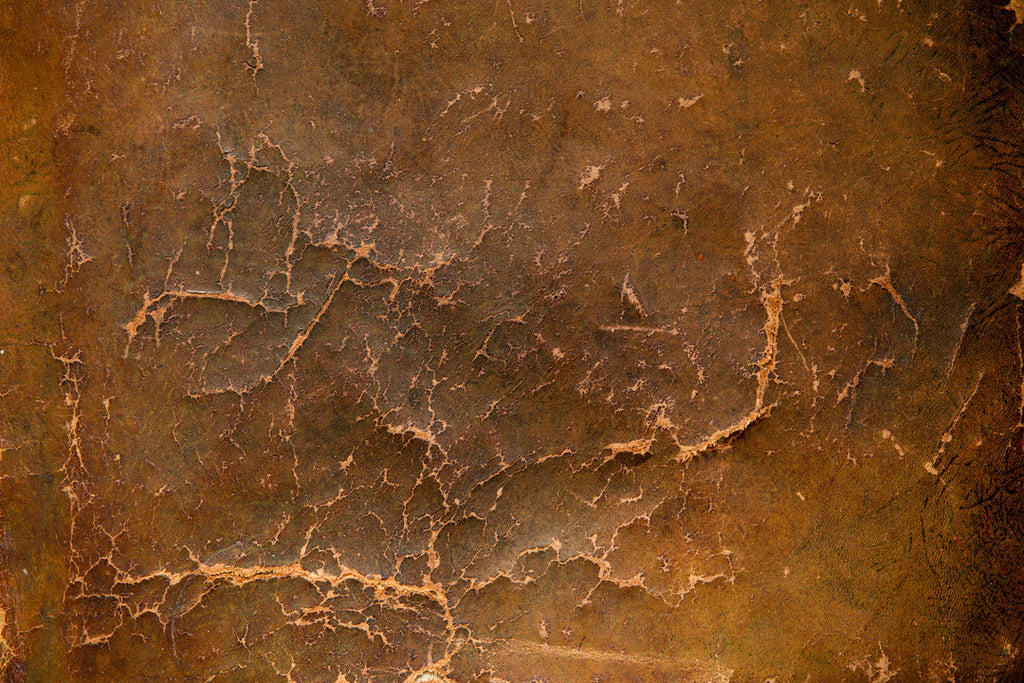
A fresh scratch on a favourite leather bag, jacket or sofa is annoying — but most aren't permanent. The trick is matching the fix to the depth of the scratch, and avoiding the abrasive "hacks" that quietly wreck the finish. Here's how to safely get scratches out of leather, whether it's a light scuff or a deeper gouge.
We make full-grain leather goods, so we've handled our share of scratches — these are the methods we'd actually use.
First: Know Your Scratch and Test First
How you treat a scratch depends on how deep it goes, so start by looking closely:
- Light scratch / scuff: a surface mark that hasn't broken through the finish. The most common, and the easiest to fix.
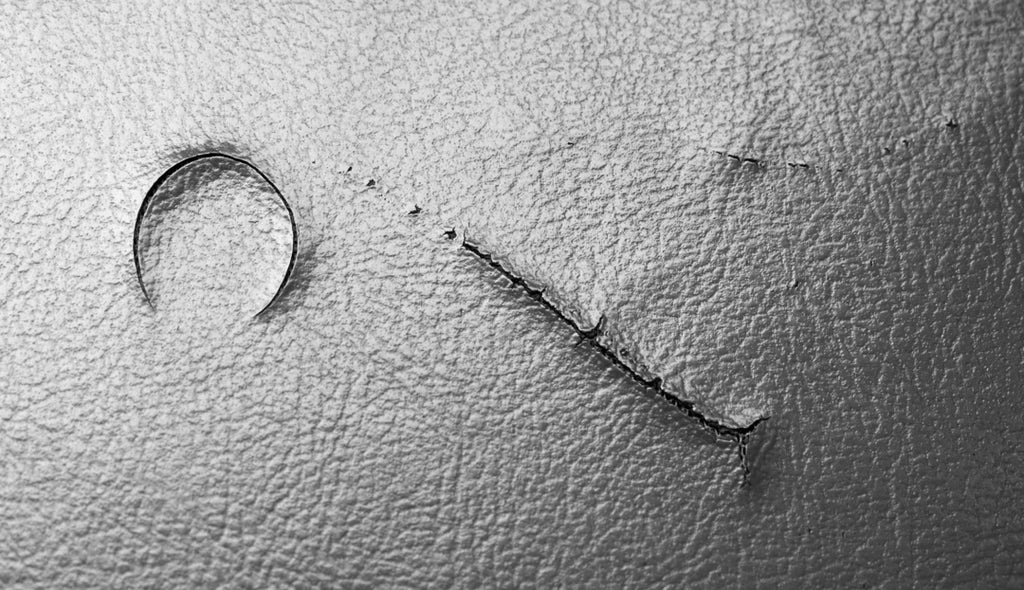
- Deeper scratch: the mark shows a colour change or a slight groove, where the surface has been disturbed.
- Gouge: a deep cut that has dug into the leather. The hardest to fix, and often a job for a repair kit or a professional.
One rule before any method: always test on a hidden area first — an inside seam, the underside, a back corner — to make sure the product doesn't change the colour or texture. And act sooner rather than later; the longer a scratch sits, the harder it is to blend away.
How to Fix Light Scratches
Most everyday scuffs respond to nothing more than oil, warmth and conditioning:
- Clean the area gently with a soft, slightly damp cloth and let it dry.
- Buff with your fingertip. The natural warmth and oils from your finger, rubbed in small circles over the scratch, are often enough to coax a light mark back together.
- Apply leather conditioner or leather oil. Using a soft cloth, work a small amount into the scratch in circular motions. This rehydrates the leather and helps the mark blend in. A tiny amount of Vaseline, petroleum jelly, can work similarly on a light scratch.
- Buff off the excess with a clean, dry cloth.
For many light scratches on full-grain leather, that's all it takes — the mark either disappears or settles into the natural patina.
How to Fix Deeper Scratches
If conditioning alone doesn't do it, the goal shifts to blending the colour and surface back together:
- Clean first with a dedicated leather cleaner and a soft cloth, then let it dry. Clean leather blends far better.
- Use a colour-matched leather cream or restorer. This is the proper way to blend a deeper scratch — a cream or colour restorer that matches your leather, applied in thin coats with a soft cloth, drying between passes. It restores both colour and a little surface.
- Or use colourless shoe polish as a simpler alternative — applied in a thin layer and buffed, it can blend a deeper scratch and even out the sheen.
- Condition to finish, sealing and protecting the area once the scratch has blended.
How to Fix Gouges and Deep Cuts
A true gouge — where leather has been cut away — usually needs a leather repair kit. These contain a flexible filler, colourant and tools designed to rebuild and recolour the damaged area:
- Clean the area and lightly trim any frayed edges of leather around the cut.
- Apply the kit's flexible filler in thin layers, letting each dry, until the gouge is level with the surface. Light sanding between filler layers may be part of the kit's instructions — only ever as the kit directs, never freehand on undamaged leather.
- Apply the matching colourant, then a finish or sealer per the kit.
- Always follow the kit instructions and colour-match carefully — and test first.
For valuable items — designer handbags, exotics, heirlooms, or anything under warranty — don't experiment. Take it to a specialist leather repair studio, who have flexible fillers, colourants and the trained hands to make repairs nearly invisible.
Suede and Nubuck Are Different
Suede and nubuck have a napped surface, so oils, creams and polishes will ruin them — never use the methods above. Instead:
- Rub the scratch gently with a suede/nubuck eraser, or a clean pencil eraser, to lift dirt and raise the nap.
- Brush the area with a suede brush, a soft brush or clean toothbrush works, to restore the texture and blend the mark.
- Finish with a product made specifically for suede or nubuck if needed.
This won't always remove a scratch entirely, but it makes it far less noticeable without damaging the delicate surface.
What to Avoid
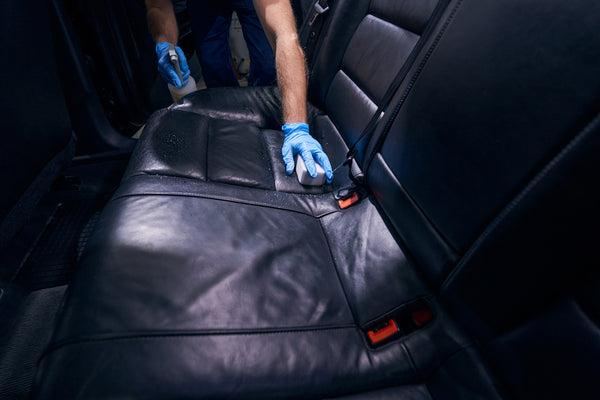
Plenty of "scratch removal" hacks circulate online that damage leather more than they help. Steer clear of:
- Abrasives like nail files, sandpaper or melamine "magic erasers" rubbed freehand on the leather — these strip the finish and colour and make the damage worse. Sanding only ever belongs inside a proper filler kit's instructions.
- WD-40 and other solvents — these can damage the leather's topcoat, only temporarily mask a scratch by filling it, and tend to darken the leather.
- Toothpaste and "kitchen brew" hacks — toothpaste is a mild abrasive that can dull the finish. The leather specialists' advice is to skip the viral hacks.
- Olive oil and cooking oils — they oxidise and go rancid inside the leather over time, leaving it sticky and smelly. Use a proper leather conditioner instead.
- Anything coloured or strongly fragranced not made for leather — it can stain or alter the surface.
How to Prevent Leather Scratches
A little prevention saves a lot of repair:
- Condition regularly — supple, well-fed leather resists scratching better than dry leather.
- Store carefully — keep bags and accessories away from sharp objects, zippers and rivets; a dust bag helps.
- Keep pets' claws in mind — cat and dog scratches are a common culprit on sofas and bags.
- Wipe clean gently — grit dragged across the surface causes fine scratches, so dust off before wiping.
A Word From Vintage Leather Sydney
Here's the upside of quality leather: on full-grain, many light scratches aren't a problem to be fixed at all — they buff out with a fingertip, or simply settle into the patina that makes the leather look better with age. That natural resilience is part of why we build our bags, wallets and travel goods from full-grain hides. A few marks are the sign of a bag that's lived a little, not a bag that's ruined.
Frequently Asked Questions
How do you get light scratches out of leather?
Clean the area, then buff the scratch gently with your fingertip — the warmth and natural oils often blend it. Follow with a small amount of leather conditioner or oil worked in with a soft cloth, and buff off the excess. A dab of Vaseline can also help on light scratches.
How do you fix deep scratches in leather?
Clean the leather first, then blend the scratch with a colour-matched leather cream or restorer applied in thin coats, or with colourless shoe polish. For true gouges, use a leather repair kit with flexible filler and colourant, and finish by conditioning. Test any product on a hidden area first.
Does WD-40 or toothpaste remove leather scratches?
It's best to avoid both. WD-40 contains solvents that can damage the leather's finish and only temporarily masks a scratch, while toothpaste is a mild abrasive that can dull the surface. Stick to leather conditioner, colour-matched cream or a proper repair kit instead.
Can you sand or file a scratch out of leather?
No — rubbing a nail file, sandpaper or a melamine "magic eraser" freehand strips the finish and colour and makes the damage worse. Light sanding only belongs as a directed step inside a leather repair kit when rebuilding a deep gouge, never as a casual fix on the surface.
How do you get cat or dog scratches out of leather?
For light claw marks, clean the area and work in leather conditioner with a soft cloth until they blend. Deeper claw scratches may need a colour-matched cream or a leather repair kit. Conditioning regularly also keeps leather supple, which helps it resist pet scratches.
How do you fix scratches on a leather couch?
Treat it the same way as any leather: clean first, buff and condition light scratches, and use a colour-matched leather cream or restorer for deeper ones. Avoid abrasive erasers, which strip the finish. For large or deep damage on a valuable sofa, consider a professional.
How do you remove scratches from suede or nubuck?
Never use oils, creams or polish on suede or nubuck. Instead, rub the scratch gently with a suede eraser to lift dirt, then brush with a suede brush or soft toothbrush to raise the nap and blend the mark. Finish with a suede-specific product if needed.
When should you take leather to a professional?
For deep gouges, large damaged areas, or high-value items like designer handbags, exotic leathers or heirlooms, see a specialist leather repair studio rather than experimenting. They have flexible fillers, colourants and the skill to make repairs nearly invisible. Check warranty/care options first too.
Final Thoughts
Getting a scratch out of leather is mostly about matching the method to the damage: condition light scratches, blend deeper ones with a colour-matched cream, and reach for a repair kit or a professional only for true gouges. Skip the abrasive and solvent "hacks" — they cause more harm than the scratch itself. Treat the leather gently and test first, and most marks will fade away.
And remember, on good full-grain leather a few light marks are part of its character. It's what we build with. Free shipping, with Afterpay, Zippay and Klarna available, and every full-price piece backed by a 365-day warranty.
